
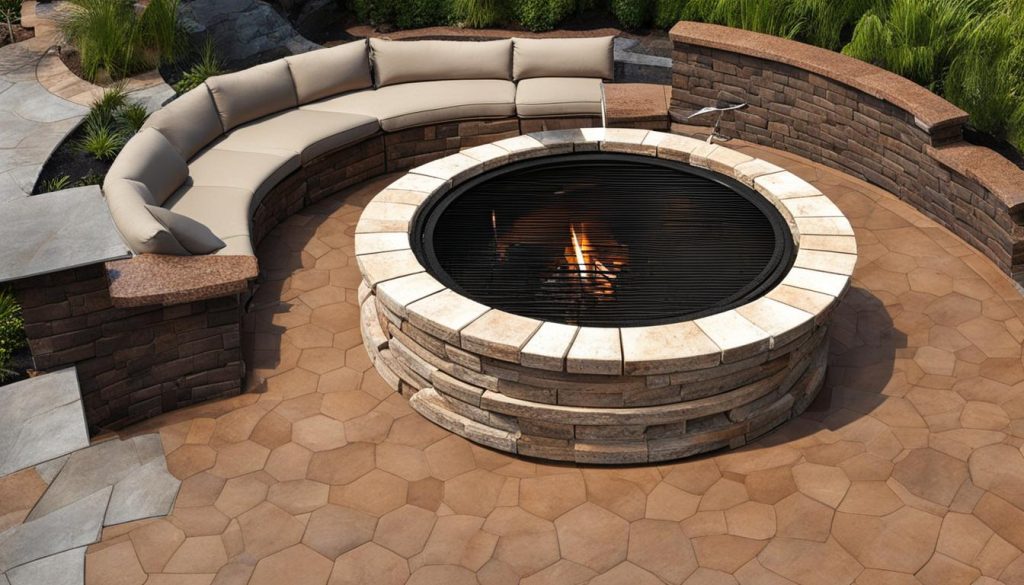
Building your own gas firepit can be a rewarding project that adds a cozy and inviting atmosphere to your outdoor space. In this step-by-step guide, we will explore the process of constructing a gas firepit at home. We will cover everything from selecting the right location to choosing the fuel type, building the enclosure, installing the burner, and adding the finishing touches. By following these building steps and safety precautions, you can create a beautiful and functional gas firepit that will be a focal point for gatherings and relaxation in your backyard.
Key Takeaways
- Building a gas firepit at home adds a cozy and inviting atmosphere to your outdoor space.
- Consider the location and site preparation for safety and proper ventilation.
- Choose the right fuel type between natural gas and propane based on availability and convenience.
- Build a sturdy and aesthetically appealing enclosure using materials like concrete blocks or bricks.
- Install the burner and ignition system carefully, following manufacturer instructions.
Selecting the Location and Preparing the Site
Before you can start building your gas firepit, it’s important to carefully select the location and prepare the site. The right location will ensure safety and optimal enjoyment of your firepit.
First, choose a well-ventilated area that is at least twenty feet away from any combustible structures. This will help prevent any accidental fires or damage to nearby objects. Additionally, clearing the area of debris, trees, and other flammable materials is crucial to minimize the risk of fire.
Make sure the site is level and free from any obstacles that may pose a safety hazard. A level surface will ensure stability and proper functioning of your firepit. Consider installing non-flammable materials around the firepit to catch any falling embers and keep water or fire extinguishers nearby for added safety.
Choosing the Right Location for Your Gas Firepit
When selecting a location for your gas firepit, there are a few key factors to consider. First, ensure that the area is well-ventilated to allow for proper airflow and the dissipation of any fumes. This will help prevent smoke and odors from becoming overwhelming.
Next, consider the proximity to combustible structures. It’s essential to choose a spot that is at least twenty feet away from any buildings, trees, or other flammable materials. This will reduce the risk of accidental fires and ensure the safety of your property.
Lastly, think about the overall ambiance and usability of the location. Is it easily accessible from your outdoor living area? Will it provide a comfortable seating arrangement for guests? Take these factors into account to create a welcoming and functional space for your gas firepit.
Choosing the Fuel Type
When building a gas firepit, one of the key decisions you’ll need to make is choosing the fuel type. The two main options available are natural gas and propane. Each fuel type has its own considerations and benefits, so it’s important to understand the differences before making a decision.
Natural Gas Firepit
Natural gas is an excellent choice for those looking for a permanent installation. It requires a connection to a natural gas line, which means you’ll need to have access to a gas line near your firepit location. Once installed, natural gas offers a constant fuel source, eliminating the need to refill or replace propane tanks. This can be a convenient and cost-effective option for homeowners who plan to use their gas firepit frequently.
Propane Firepit
If you prefer a more portable and versatile option, propane may be the better choice for your gas firepit. Propane firepits use propane tanks that can be easily refilled or replaced, allowing you to move your firepit to different locations as needed. This flexibility is ideal for homeowners who want the option to rearrange their outdoor space or take their firepit on camping trips or other outdoor adventures.
When deciding between natural gas and propane for your gas firepit, consider factors such as fuel availability, cost, installation requirements, and personal preferences. It’s also important to consult with a licensed professional to ensure proper installation and adherence to safety regulations. With the right fuel type chosen, you’ll be one step closer to enjoying cozy evenings around your very own gas firepit.
Building the Enclosure
One of the key elements in constructing a gas firepit is building the enclosure. The enclosure not only provides the structure but also contributes to the overall design and aesthetic appeal of your firepit. When choosing materials for the enclosure, consider options such as concrete hardscape blocks or masonry bricks. These materials are durable and can withstand the high temperatures associated with a gas firepit.
Ensure that the enclosure is sturdy and level to create a safe and functional firepit. It’s important to follow the manufacturer’s instructions and use exterior-grade adhesive to properly secure the materials. Additionally, consider the size and shape of your firepit when building the enclosure. This will help determine the seating height and ensure a comfortable and enjoyable experience for you and your guests.
While building the enclosure, it’s essential to prioritize both safety and functionality. Ensure that the enclosure allows for proper airflow to maintain a steady flame. A well-ventilated firepit not only provides better combustion but also reduces the risk of overheating. Remember to customize the design to your preference while considering these important factors.
Installing the Burner and Ignition System
Now that you have chosen the perfect location and built the enclosure for your gas firepit, it’s time to install the essential components: the burner and ignition system. These elements ensure that your firepit can produce a beautiful and controlled flame for your enjoyment.

When selecting a burner, consider the size and pattern of the flame you desire. There is a range of options available, from simple round burners to intricate designs that mimic the look of a wood-burning fire. Choose one that suits your style and preferences.
Ensure that the burner pan is compatible with your chosen burner and fits securely within the enclosure. Follow the manufacturer’s instructions for proper installation, making sure to test the connections for any gas leaks and adjusting as necessary.
If you want to take your firepit to the next level, you can consider installing an ignition system. This can include an automatic ignition or a manual ignition with a control knob. However, for safety reasons, it is recommended to consult with a gas professional to ensure proper installation and functionality.
Adding the Media and Accessories
Now that you have built the structure and installed the burner for your gas firepit, it’s time to add the finishing touches that will make it truly stand out. Adding media and accessories will not only enhance the aesthetic appeal of your firepit but also contribute to its functionality.
Firepit Media:
One way to elevate the look of your gas firepit is by choosing the right media. Fire glass, for example, can create a mesmerizing effect as the flames reflect and shimmer off its surface. Lava rocks provide a more natural and rustic appearance, while ceramic logs can simulate the look of a traditional wood-burning fire. Consider the overall style and atmosphere you want to create and select the media that best complements your vision.
Firepit Accessories:
Accessorizing your gas firepit can add both decorative and practical elements. Wind guards can help protect the flames from gusts of wind, keeping them steady and uninterrupted. Covers are essential for keeping your firepit protected from the elements when it’s not in use, helping to prolong its lifespan. Additionally, you can personalize your firepit by adding seating options such as comfortable chairs or cushions, creating a cozy and inviting space for gatherings and relaxation.
Remember to choose accessories that are specifically designed for gas firepits and follow any installation instructions provided by the manufacturer. This will ensure both the safety and optimal performance of your firepit.

With the addition of media and accessories, your gas firepit is now complete. Take a step back and admire the beauty and warmth it brings to your outdoor space. Whether you’re hosting a gathering with friends or enjoying a peaceful evening under the stars, your DIY gas firepit will surely be the centerpiece of relaxation and entertainment.
Safety Precautions and Maintenance
When it comes to enjoying your gas firepit, safety should always be a top priority. By following a few simple safety precautions and performing regular maintenance, you can ensure a safe and enjoyable experience for everyone.
Safety Precautions
First and foremost, always keep flammable materials away from your gas firepit. This includes furniture, cushions, and any other items that could potentially catch fire. It’s also important to use your firepit in a well-ventilated area to prevent a buildup of harmful gases. Make sure to position your firepit at least 20 feet away from any combustible structures, such as your house or garage.
Maintenance
To keep your gas firepit in optimal working condition, regular maintenance is key. Start by conducting routine inspections of the gas connections and ignition system for any signs of damage or leaks. If you notice any issues, it’s important to address them immediately and consult a professional if necessary.
Cleaning the burner and media regularly is also important to remove any debris that may affect performance. Follow the manufacturer’s guidelines on how to clean these components properly. Additionally, consider covering your firepit when not in use to protect it from the elements and prolong its lifespan.
By following these simple safety precautions and performing regular maintenance, you can enjoy your gas firepit with peace of mind, knowing that you and your loved ones are safe. So go ahead, gather around the warm glow of your firepit and create lasting memories in your outdoor space.
Conclusion
Congratulations on completing your DIY gas firepit! By following this step-by-step guide and considering safety precautions, you have successfully built a beautiful and functional addition to your outdoor space.
Remember to always prioritize safety when using your gas firepit. Keep flammable materials away and ensure proper ventilation. Perform regular maintenance to keep your firepit in optimal condition and extend its lifespan.
Enjoy the warmth and ambiance of your DIY gas firepit as you gather with loved ones and create unforgettable memories in your backyard. With your newfound knowledge and skills, you can take pride in the accomplishment of building your very own gas firepit.
FAQ
Will building a gas firepit require a professional installation?
While it is not necessary to hire a professional for every step, it is recommended to consult with a licensed gas professional for guidance and to ensure proper installation and adherence to safety regulations.
Can I use natural gas or propane for my gas firepit?
Yes, both natural gas and propane can be used as fuel for your gas firepit. Natural gas is ideal for permanent installations as it requires a connection to a gas line, while propane offers portability and ease of installation.
What materials can I use to build the enclosure of my firepit?
You have a variety of options for materials such as concrete hardscape blocks or masonry bricks. It is important to ensure that the enclosure is sturdy, level, and allows for proper airflow.
How do I install the burner and ignition system?
Select a burner that suits your desired flame size and pattern. Follow the manufacturer’s instructions for proper installation of the burner and pan. If installing an ignition system, consult with a gas professional to ensure safety and proper functioning.
What media and accessories can I add to my gas firepit?
You can choose from options such as fire glass, lava rocks, or ceramic logs to enhance the appearance of your firepit. Consider adding wind guards or covers for protection, and make sure to have a weatherproof cover for when the firepit is not in use.
How do I ensure the safe operation and maintenance of my gas firepit?
Follow safety precautions such as keeping flammable materials away from the firepit and using it in a well-ventilated area. Regularly inspect the gas connections and ignition system for any signs of damage or leaks. Clean the burner and media regularly to maintain optimal performance.
