
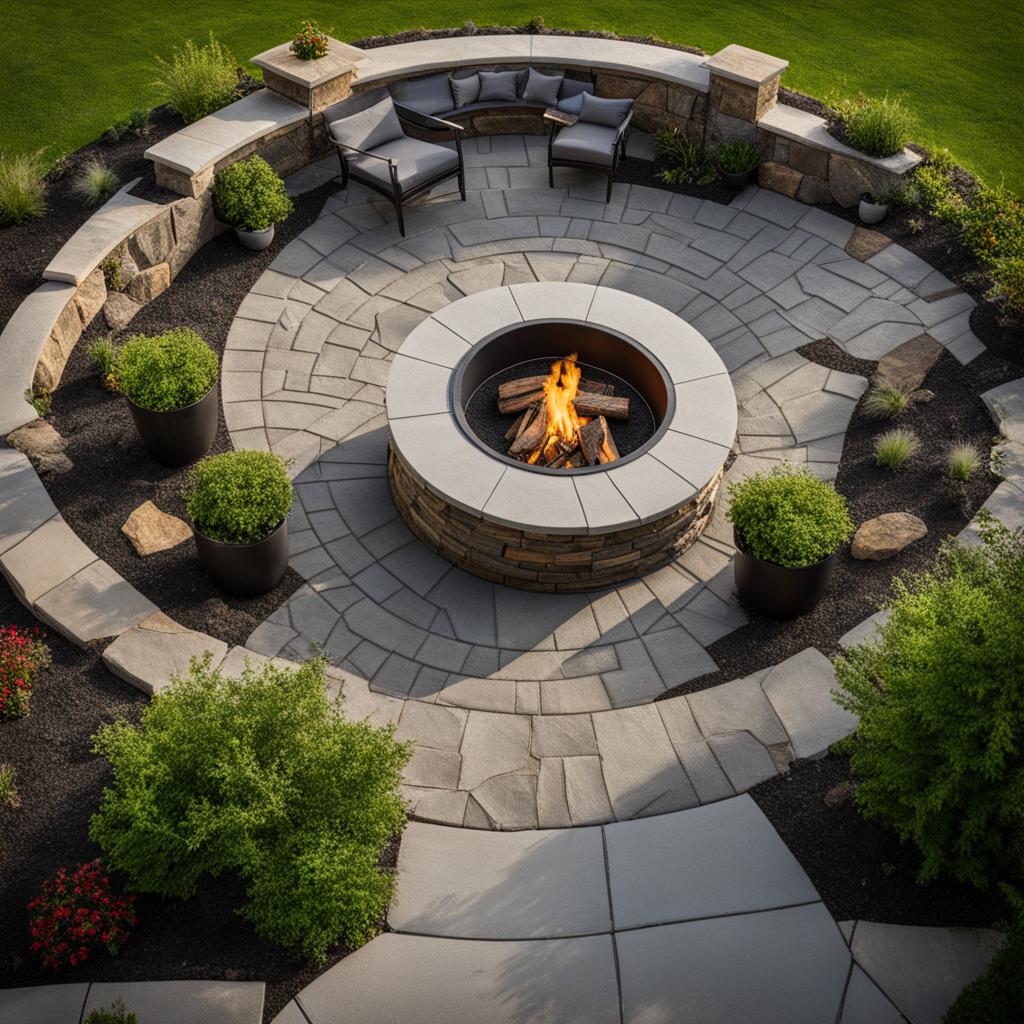
A fire pit cover is essential for protecting your fire pit from the elements and extending its longevity. It saves you time and money by preventing water and debris from entering the pit. Whether you have a gas, metal, or stone fire pit, covering it when not in use is crucial. Gas fire pits are particularly vulnerable to rain damage, as moisture can cause costly repairs or even complete replacement. Metal fire pits are also prone to rust when exposed to water, while stone fire pits can become dirty with algae and dirt. Using a cover will keep your fire pit clean and protected, allowing you to spend more time enjoying the outdoors.
Key Takeaways:
- Fire pit covers are essential for protecting your fire pit from water damage, rust, and dirt.
- Covering your fire pit when not in use can save you time and money on repairs or replacements.
- Different types of fire pits require different cover materials and designs.
- Consider weather conditions and your specific needs when choosing a fire pit cover.
- Maintain your fire pit cover by regularly cleaning it and storing it properly.
Why Do Fire Pits Need Covers?
Fire pits need covers to protect them from various types of damage. Weather elements like rain and sun can cause water damage, rust, and fading. Leaves, debris, and insects can accumulate inside the fire pit, making it dirty and potentially affecting its performance. Gas fire pits are especially susceptible to rain damage due to valves and electronic components. To prevent these issues, it’s important to invest in a weatherproof fire pit cover made from durable materials.
Vinyl and polyester covers are the most common options, offering water resistance and varying levels of durability. Consider the local weather conditions to choose the best cover material for your specific needs. A high-quality cover will ensure that your fire pit remains protected and in good condition.
Finding the Right Material
When selecting a fire pit cover, it’s crucial to consider the material. Vinyl covers are lightweight, easy to clean, and resistant to water, sunlight, and mildew. They are an affordable option for protecting your fire pit. Polyester covers, on the other hand, offer greater durability and resistance to harsh weather conditions. They are also lightweight and easy to maintain. Both vinyl and polyester covers are excellent choices for keeping your fire pit safe from the elements.
With the right cover in place, you can enjoy your fire pit year-round without worrying about damage or deterioration. Remember to choose a cover that fits your specific fire pit model and size to ensure optimal protection.
Choosing the Right Fire Pit Cover
When it comes to selecting a fire pit cover, there are a few factors to consider. First, think about the design and type of your fire pit. Different fire pits have different dimensions, so it’s essential to choose a cover that fits properly. Whether you have an above-ground gas fire pit, a metal fire pit, or a stone fire pit, there are cover options available for each type.
The next consideration is your local weather conditions. If you live in an area with heavy rainfall or extreme temperatures, you’ll want to choose a cover that offers maximum protection against the elements. Look for covers made from weather-resistant materials like polyester or vinyl. These materials are lightweight, easy to store, and can withstand various weather conditions.
Lastly, think about the specific cover options and solutions that best suit your needs. Full-length covers provide complete protection for your fire pit, including the legs and electronic parts. Top-only covers, on the other hand, are suitable for metal or stone fire pits and are easier to remove. Consider the convenience, functionality, and aesthetic appeal of each cover option when making your decision.
Tips for Fire Pit Cover Installation
Installing a fire pit cover is a simple process that requires a few steps to ensure proper protection for your fire pit. Before you begin the installation, make sure your fire pit is clean and free of any debris. This will help to prevent any dirt or debris from getting trapped between the fire pit and the cover. Cleaning your fire pit will also extend its lifespan and keep it looking its best.
Once your fire pit is clean, choose a cover that fits properly. It’s important to select a cover that is specifically designed for your type of fire pit. For gas-powered fire pits, full-length covers are ideal as they protect the entire fire pit, including the legs and electronic parts. For metal or stone fire pits, top-only covers are suitable and easier to remove when needed.
When installing the cover, securely fasten it using drawstrings or straps. This will ensure that the cover stays in place, even in windy conditions. It’s important to properly secure the cover to prevent it from blowing off or becoming loose, which could potentially damage your fire pit. Once the cover is securely fastened, your fire pit is ready to be protected from the elements.
DIY Fire Pit Cover Ideas
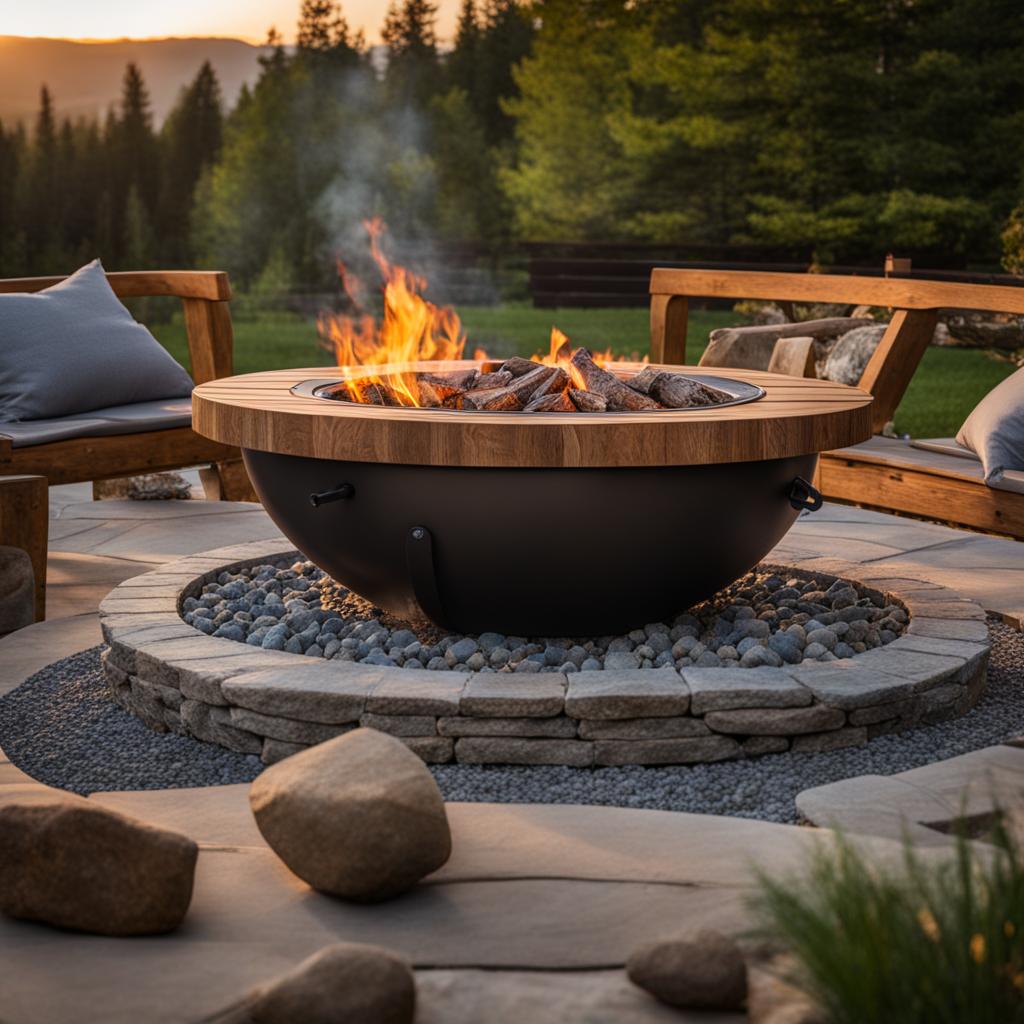
If you’re looking to add a personal touch to your fire pit cover, why not try some DIY options? Not only can you create a unique cover, but it can also be a fun project to tackle. One idea is to use paver bricks, pea gravel, and a metal ring to create a simple and affordable cover. This design not only protects your fire pit but also adds a touch of rustic charm to your outdoor space.
Another creative DIY option is repurposing materials like metal planters, steel receptacles, or even old koi ponds. These materials can be transformed into stylish and customized fire pit covers. Get creative with different shapes, such as hexagon or square covers, to add visual interest to your fire pit area. Just make sure to choose fire-safe materials that can withstand the heat and protect your fire pit effectively.
Whether you’re a seasoned DIY enthusiast or trying your hand at a project for the first time, making your own fire pit cover allows you to customize it to your liking while saving money. So grab your tools and get ready to create a cover that not only keeps your fire pit safe but also adds a personal touch to your outdoor space.
Maintenance for Fire Pit Covers
Proper maintenance is crucial to ensure that your fire pit cover remains in good condition and continues to provide effective protection for your fire pit. By following a few simple steps, you can keep your cover clean and functional for years to come.
Regular Cleaning
Regularly remove dirt, leaves, and debris from the surface of your fire pit cover using a soft bristle brush or a damp cloth. This will prevent buildup and keep the cover looking clean and tidy. If there are any stubborn stains or soiled areas on the cover, spot clean them using a fabric cleaner specifically designed for outdoor covers. Ensure that you allow the cover to dry completely before putting it back on the fire pit.
Restoring Water-Resistance
If your fire pit cover starts to lose its water-resistance over time, you can restore it by applying a fabric protector. These protectors create a barrier that repels water and helps to maintain the cover’s protective properties. Follow the instructions on the fabric protector product for the best results.
Proper Storage
When your fire pit is not in use, it’s important to store the cover properly to prevent damage. Consider using a storage bag specifically designed for fire pit covers. This will protect the cover from dust, dirt, and potential rips or tears. Store the cover in a clean, dry area away from direct sunlight or excessive heat.

By following these maintenance tips, you can keep your fire pit cover clean, functional, and ready for use whenever you want to enjoy a cozy fire in your outdoor space.
Conclusion
In conclusion, properly covering your fire pit is crucial for protecting it from weather damage and prolonging its lifespan. Whether you choose a pre-made cover or opt for a DIY solution, consider the type of fire pit you have, the local weather conditions, and your personal preferences when selecting a cover. By investing in a durable and weatherproof fire pit cover, you can prevent water and debris from entering the pit, saving you time and money on repairs or replacement.
Remember to install the cover correctly, ensuring a snug fit and using drawstrings or straps to secure it in place. Regular maintenance is key to keeping your fire pit cover in optimal condition. Clean the cover regularly, removing dirt and debris with a soft brush or rag, and spot clean any soiled areas using a fabric cleaner designed for outdoor covers. Storing the cover properly when not in use will also help to prevent damage and extend its lifespan.
With the right fire pit cover, you can enjoy a clean and protected fire pit area, allowing you to relax and enjoy the outdoors without worries. So don’t wait, take the necessary steps to cover your fire pit and ensure its longevity for years to come.
FAQ
Why do fire pits need covers?
Fire pits need covers to protect them from various types of damage, including water damage, rust, fading, and accumulation of debris and insects.
What materials are fire pit covers made of?
Fire pit covers are typically made from durable materials such as vinyl and polyester, which offer water resistance and varying levels of durability.
How do I choose the right fire pit cover?
Consider factors such as the type of fire pit, local weather conditions, and the type of cover design and material that suits your needs.
How do I install a fire pit cover?
Before installing the cover, ensure your fire pit is clean and free of debris. Choose a cover that fits properly and securely fasten it using drawstrings or straps.
Are there any DIY fire pit cover ideas?
Yes, you can make your own fire pit cover using materials such as paver bricks, metal planters, or repurposed items like old koi ponds. Just ensure the materials used are fire-safe and can withstand heat.
How do I maintain a fire pit cover?
Regularly remove dirt and debris from the cover’s surface, spot clean soiled areas, and store the cover properly when not in use to prevent damage and extend its lifespan.
